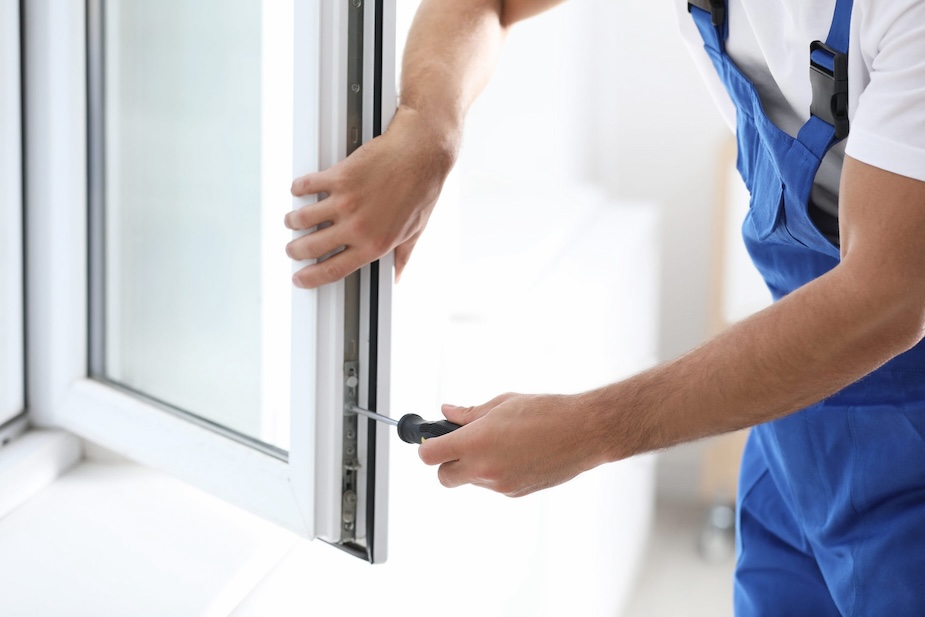
10 Places To Find Fixing Window Locks


Fixing Window Locks: A Comprehensive Guide
Windows are not just vital for ventilation and natural lighting however also play an important function in home security. With time, window locks can become used out, rusty, or simply fail to function appropriately. Whether you're handling a stuck lock, a broken system, or a loud window, fixing window locks is an ability that every house owner ought to have. This guide will stroll you through the steps to detect and repair common issues with window locks, ensuring your home stays safe and secure and comfy.
Recognizing Common Issues with Window Locks
Before diving into the repair procedure, it's important to determine the particular issue with your window lock. Here are some common issues property owners deal with:
- Sticking or Jammed Locks: This is typically brought on by dirt, particles, or rust.
- Broken Mechanisms: Parts of the lock may be damaged or missing.
- Noisy Locks: Squeaks or creaks can be due to damaged or poorly lubricated components.
- Misaligned Locks: The lock might not engage effectively due to the window running out alignment.
- Damaged Locks: Overuse can cause wear and tear, making the lock less effective.
Tools and Materials Needed
To fix many window lock problems, you will require the following tools and materials:
- Screwdriver (Phillips and flathead)
- Wire brush
- Lubricating oil or silicone spray
- Replacement lock parts (if needed)
- Allen wrench or hex secret (for certain lock types)
- Pliers
- Tidy cloth
- WD-40 or graphite powder
- Vise grips
- Hammer
- Drill (optional)
Step-by-Step Guide to Fixing Window Locks
1. Check the Lock and Window Frame
- Visual Inspection: Look for any visible indications of damage, such as damaged elements or rust.
- Check Alignment: Ensure the window is appropriately lined up in the frame. Misalignment can trigger the lock to stop working or stick.
- Test the Lock: Try to open and close the window lock to identify the nature of the issue.
2. Tidy the Lock Mechanism
- Eliminate Debris: Use a wire brush to remove any dirt, gunk, or particles from the lock.
- Lubricate: Apply a few drops of lubricating oil or silicone spray to the moving parts of the lock. This can help in reducing friction and sound.
- Wipe Clean: Use a tidy fabric to wipe away any excess lube.
3. Adjust the Lock Mechanism
- Loosen Screws: If the lock is misaligned, start by loosening the screws that hold the lock in location.
- Straighten: Gently move the lock to the proper position and retighten the screws.
- Test: Open and close the window to guarantee the lock is now properly lined up and working efficiently.
4. Replace Broken Parts
- Recognize the Broken Part: Determine which part of the lock is broken. Common culprits include the lock, handle, or strike plate.
- Purchase Replacement Parts: Visit a regional hardware shop or order online to get the particular replacement parts you need.
- Eliminate Old Parts: Use a screwdriver to get rid of the damaged parts. Be mindful not to damage the window frame.
- Install New Parts: Follow the manufacturer's instructions to install the brand-new parts. Ensure they are securely attached and lined up correctly.
- Test: Check the lock to make sure it is working effectively.
5. Oil and Maintain
- Routine Lubrication: Apply lubricating oil or silicone spray to the lock system every couple of months to keep it working smoothly.
- Clean Regularly: Dust and particles can collect, so tidy the lock and window frame regularly.
- Inspect for Rust: Inspect the lock for signs of rust and treat with a rust inhibitor if essential.
Advanced Techniques for Tricky Locks
For more complex problems, these advanced techniques may be available in convenient:
1. Handling Rust
- Scrub with Baking Soda: Mix baking soda with a little water to form a paste. Use the paste to the rusted locations and scrub with a wire brush.
- Rinse and Dry: Rinse the lock with water and dry it thoroughly.
- Apply Lubricant: Once dry, use a lubricant to avoid additional rusting.
2. Fixing a Noisy Lock
- Take apart: If the lock is loud, disassemble it to look for damaged parts.
- Replace Worn Parts: Replace any parts that reveal indications of wear.
- Reassemble and Lubricate: Reassemble the lock and apply a lubricant to all moving parts.
3. Adjusting a Sliding Window Lock
- Eliminate the Lock: For moving windows, the lock is usually connected to the window sash. Remove it by unscrewing the mounting screws.
- Change the Latch: If the lock is not engaging appropriately, you can bend it somewhat with pliers to align it with the strike plate.
- Reinstall the Lock: Once adjusted, reattach the lock and test it to ensure it is working properly.
FAQs
Q: How typically should I oil my window locks?A: It's an excellent concept to oil your window locks every 3-6 months, depending on how frequently you use them and the environment in your location. Routine lubrication can avoid sticking and lower wear and tear.
Q: Can I utilize WD-40 to clean and lubricate my window locks?A: Yes, WD-40 can be utilized to both clean and oil window locks. Nevertheless, for window lock repairs , use a wire brush to get rid of debris initially, then apply the WD-40 and clean away any excess.
Q: What should I do if my window lock is jammed and won't budge?A: If your window lock is jammed, attempt applying a lube like WD-40 or graphite powder. If that doesn't work, you may need to dismantle the lock to determine the concern. If the problem is serious, think about replacing the lock.
Q: Can I repair a misaligned window lock myself?A: Yes, you can often fix a misaligned window lock by loosening up the installing screws, adjusting the lock, and after that retightening the screws. However, if the window itself runs out alignment, you might require to call an expert.
Q: Are there different kinds of window locks?A: Yes, there are numerous types of window locks, consisting of camera locks, slide locks, and keyed locks. Each type has its own particular setup and upkeep requirements.
Q: How do I know if my window lock is safe?A: A secure window lock ought to engage completely and hold the window closed firmly. If the lock feels loose or the window can be quickly pushed open, it may require to be changed or replaced.
Repairing window locks is a manageable task that can conserve you cash and guarantee your home remains safe and secure. By following the actions detailed in this guide, you can identify and repair most typical problems with window locks. Routine upkeep and lubrication are crucial to keeping your locks working smoothly. If you come across a particularly persistent problem, do not think twice to look for professional help to avoid triggering further damage.
Extra Tips
- Keep Spare Parts: It's always an excellent concept to keep extra lock parts on hand, particularly if you reside in an area with extreme climate condition.
- Examine Regularly: Make it a routine to inspect your window locks during seasonal maintenance to capture problems early.
- Professional Installation: If you're replacing a lock, consider having it professionally set up to guarantee it fits and operates correctly.
By putting in the time to keep and repair your window locks, you can enjoy the assurance that features knowing your home is safe and well-kept.